The journey to mastering croissant lamination has been one of the most humbling experiences of my culinary training. What looks effortless in the hands of master pastry chefs is actually a delicate dance of temperature control, timing, and muscle memory that takes hundreds of hours to develop.
Today marks attempt number 48, and something finally clicked. Not just in my technique, but in my understanding of why each step matters. Let me take you through this breakthrough moment.
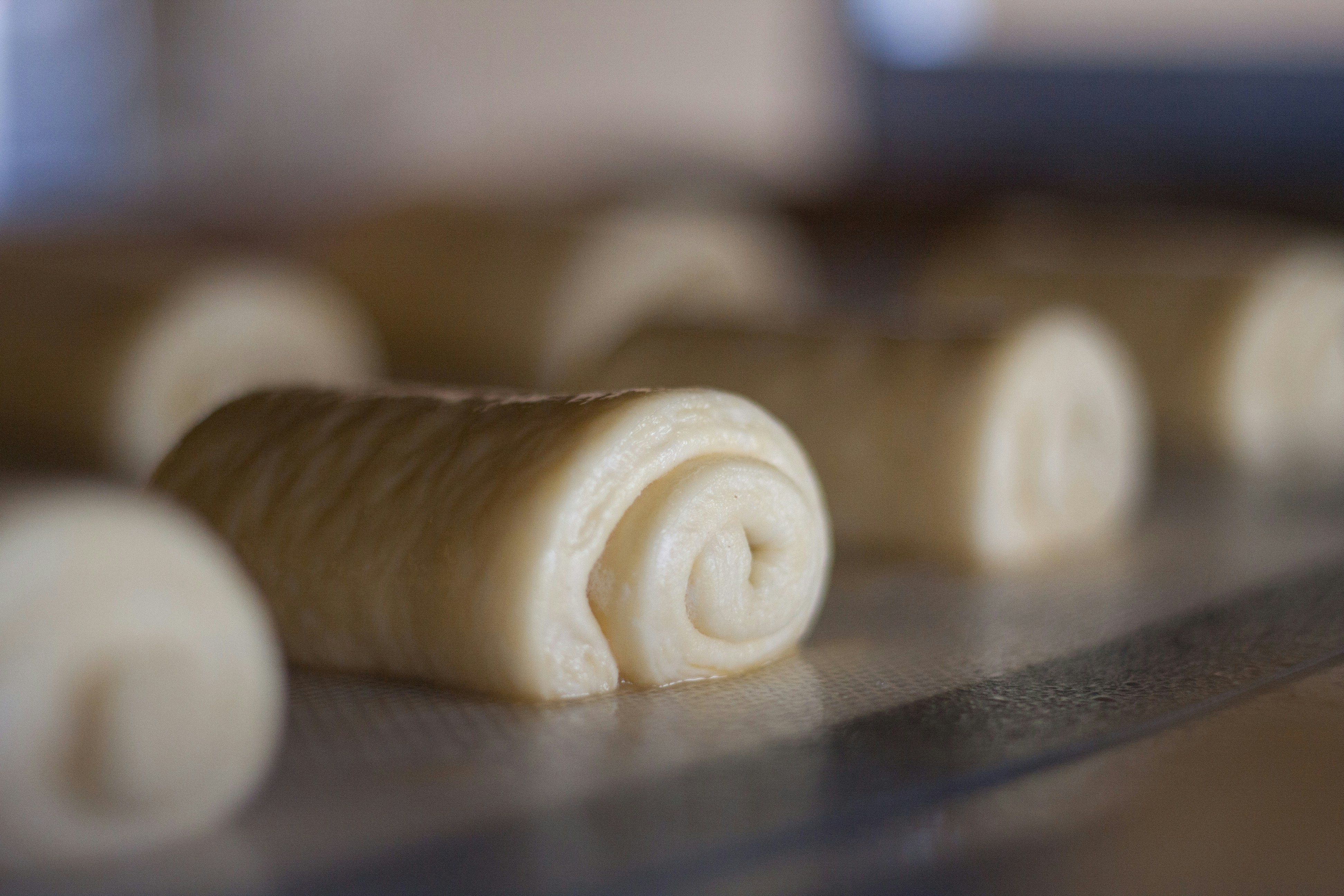
The Temperature Revelation
For weeks, I struggled with butter breaking through the dough or becoming too soft during the folding process. My mentor kept saying "feel the dough, not the thermometer," which frustrated me to no end. How could I feel something I didn't understand?
Then this morning, working in the cool pre-dawn kitchen, my hands finally understood. The dough should feel like cold silk—pliable but firm, with just enough give to fold without resistance. The butter should be cold enough to hold its shape but warm enough to bend without cracking. It's a 2-3 degree Celsius window that makes all the difference.
“The dough will teach you if you're patient enough to listen. Every fold is a conversation between your hands and the ingredients.”
— Chef Marie Laurent, Master Pastry Chef
The Folding Technique
I've been doing the classic three-fold (letter fold) method, but today I finally understood the rhythm. It's not about force—it's about gentle, consistent pressure. Roll from the center outward, maintaining even thickness throughout. Each pass of the rolling pin should extend the dough by about 30%, no more.
The key breakthrough was learning to trust the resting periods. Between each fold, the dough needs 30 minutes in the refrigerator. Not 25 minutes because you're impatient. Not 35 minutes because you got distracted. Exactly 30 minutes. The gluten needs time to relax, and the butter needs time to firm up to the perfect consistency.
Time-lapse of the complete lamination process from start to finish
The Baking Moment
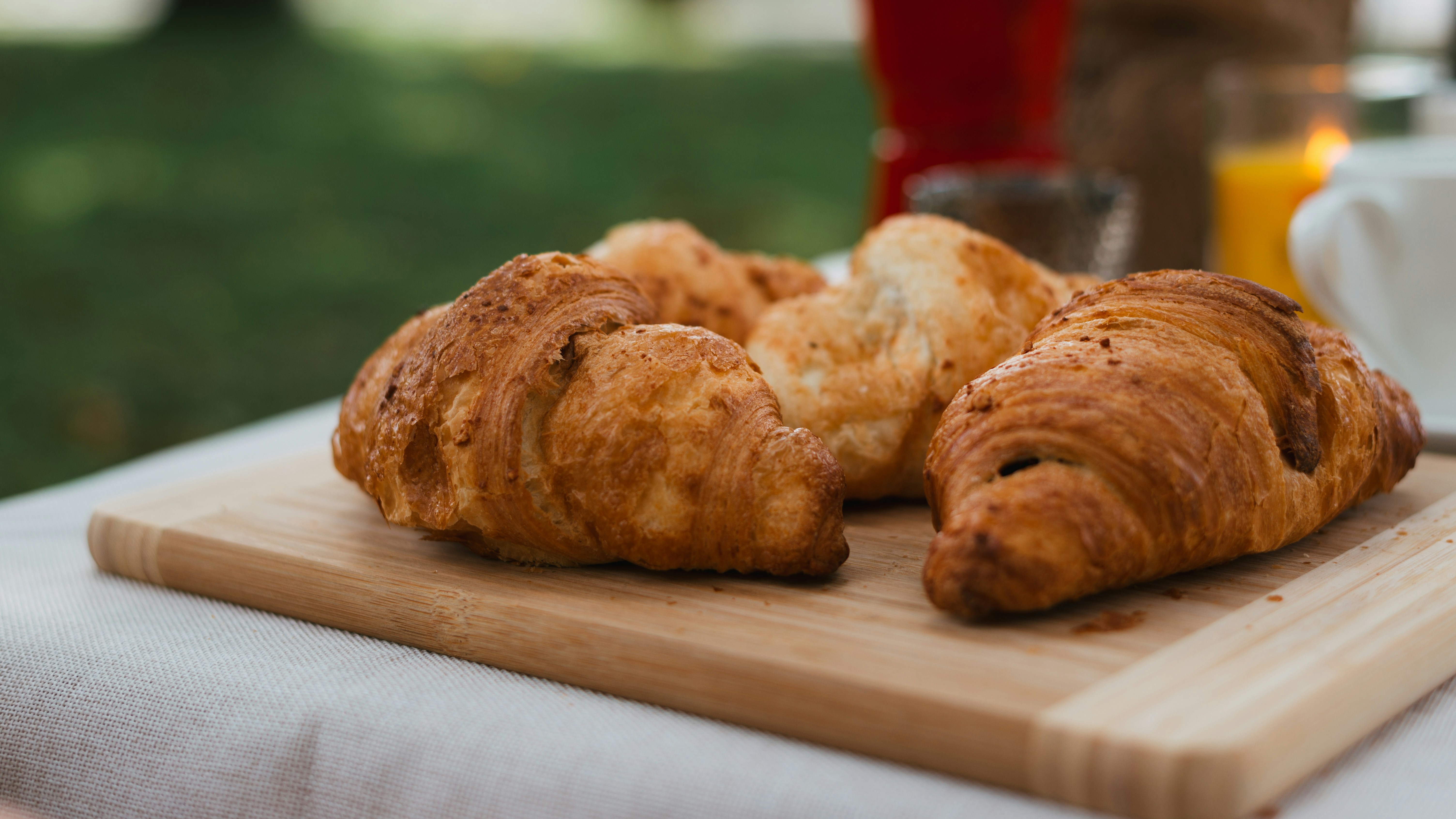
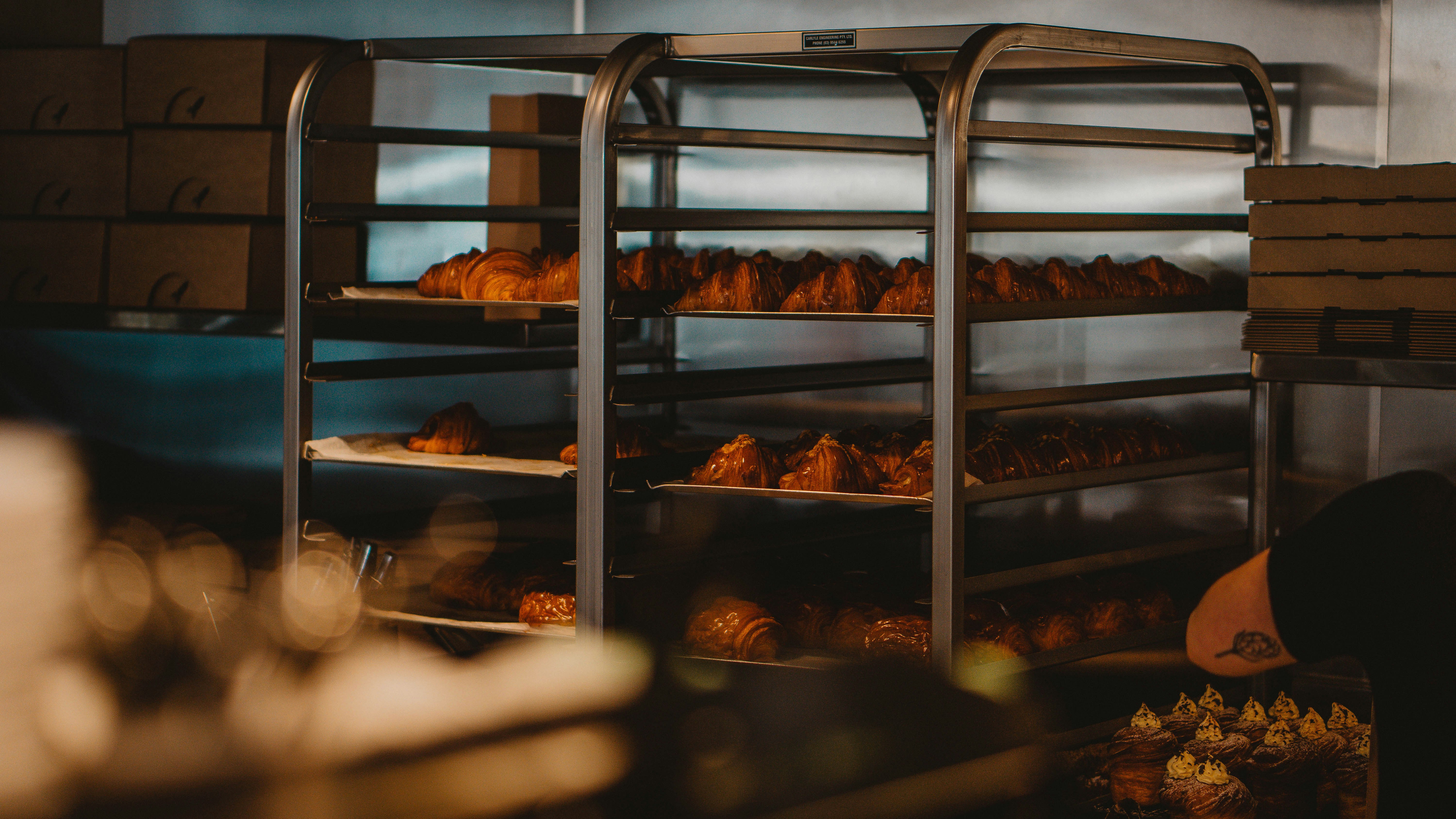
After all the preparation, the baking is where magic happens—or where everything falls apart. Today, I watched through the oven window as my croissants transformed. The layers separated beautifully, creating that distinctive honeycomb structure. The exterior turned a deep golden brown, and the aroma that filled the kitchen was intoxicating.
When I pulled them from the oven and heard that perfect crackle as they cooled, I knew I'd finally done it. The cross-section revealed 27 distinct layers—not the 81 that a true master achieves with four folds, but a solid foundation to build upon.
Lessons Learned
This breakthrough taught me several crucial lessons that extend beyond croissant making:
- Patience is a skill: You can't rush mastery. Each failed attempt was necessary to build the muscle memory and understanding I needed.
- Temperature matters more than you think: In pastry, a few degrees can mean the difference between success and failure.
- Trust the process: Following the resting times and procedures exactly as prescribed isn't being rigid—it's respecting the science behind the craft.
- Failure is feedback: Those 47 failed attempts weren't wasted time. Each one taught me something that contributed to today's success.
I'm now at 1,847 hours on my journey to 10,000. This milestone feels significant not because I've mastered croissants—I haven't—but because I've learned how to learn. That's the real skill that will carry me through the remaining 8,153 hours.